-

How to Tie a Hot Chocolate Chironomid Fly for Stillwater Fishing Success
This fly pattern, inspired by Chironomid images and the Shipman’s Buzzer style, features a slim body with Pheasant tail and added foam for movement. Tied on a nymph hook, it utilizes Antron yarn for the tail and rubber tubing as ribbing. Ideal for Stillwater fishing year-round, the instructions detail each tying step.
-

FL CDL Bomb Fly Tying: Step-by-Step Guide
The FL CDL Bomb is a versatile fly, ideal for various nymphing techniques, particularly tightline and indicator rigs. Its overweighted bead ensures quick descent, while its translucent body and fluorescent thread enhance lifelike qualities. Instructions detail tying with CDL feathers and dubbing, creating a durable and attractive nymph pattern.
-
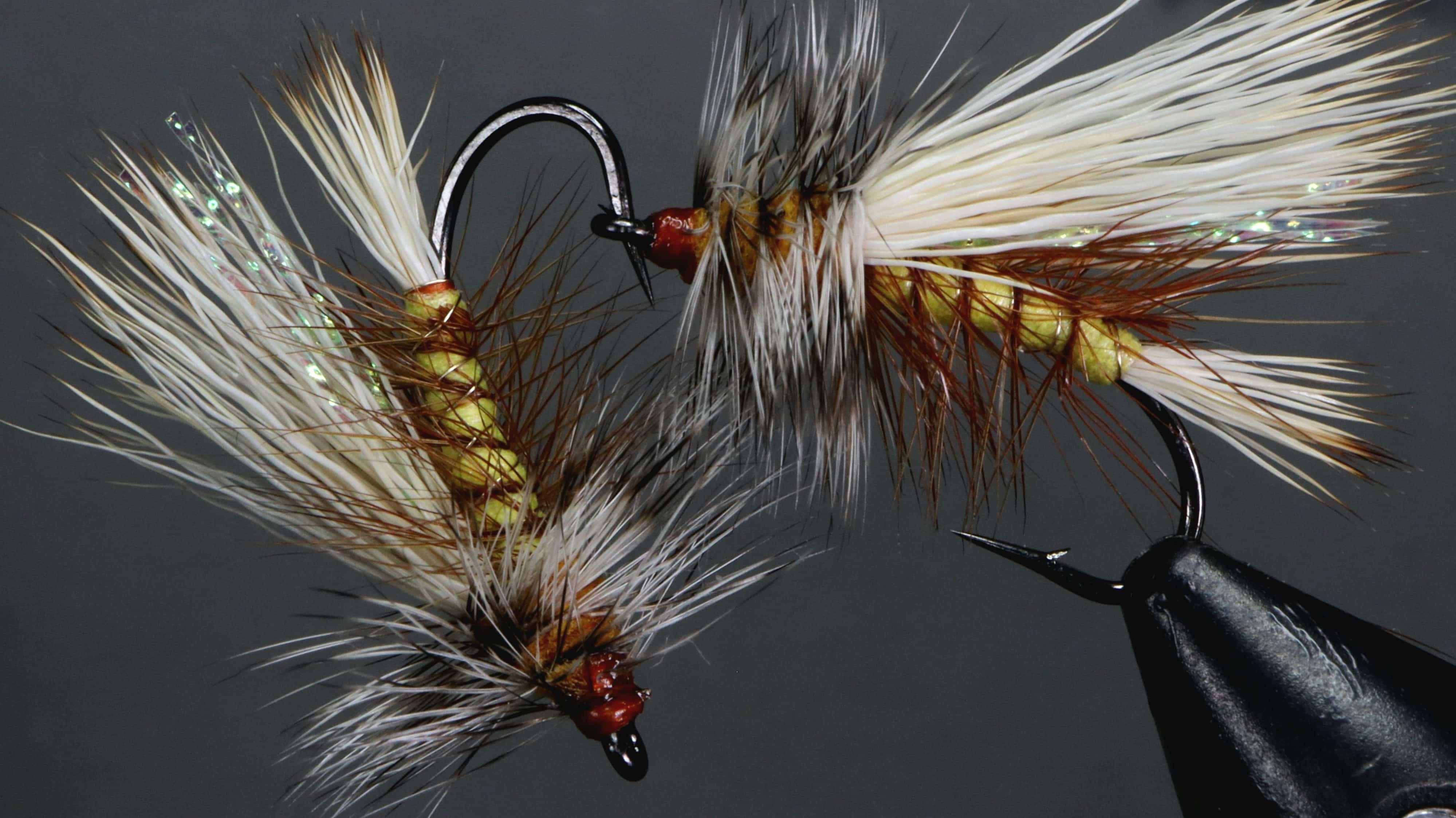
Mastering Tying the Foam-Bodied Stimulator for Trout Fishing
The foam-bodied Stimulator is an upgraded dry fly pattern designed for buoyancy and effectiveness in catching trout. Easy to tie, it features a unique construction with a bleached elk hair tail and wing, foam body, and special hackle. This modern variant promises consistent success on the water. Tie some up for yourself following our Step-By-Step…
-

Step-by-Step Guide to Tying the Jigged Buttery Buckskin
The Buttery Buckskin, a highly effective fly for fishing, particularly useful for targeting picky fish. It provides a step-by-step guide on tying the fly, including materials needed like CDC feathers and SLF Squirrel dubbing. The instructions emphasize creating lifelike features to improve catch success rates.
-

Step-by-Step Guide to Tying the SLF Squirrel Nymph
This content details a step-by-step process for tying a lifelike clinger nymph fly, preferred for attracting picky fish. It outlines necessary materials and techniques, including thread, tail construction, dubbing for the body and thorax, and adding legs and ribbing. The recipe specifies hook, thread, tail, abdomen, ribbing, thorax, and legs.
-
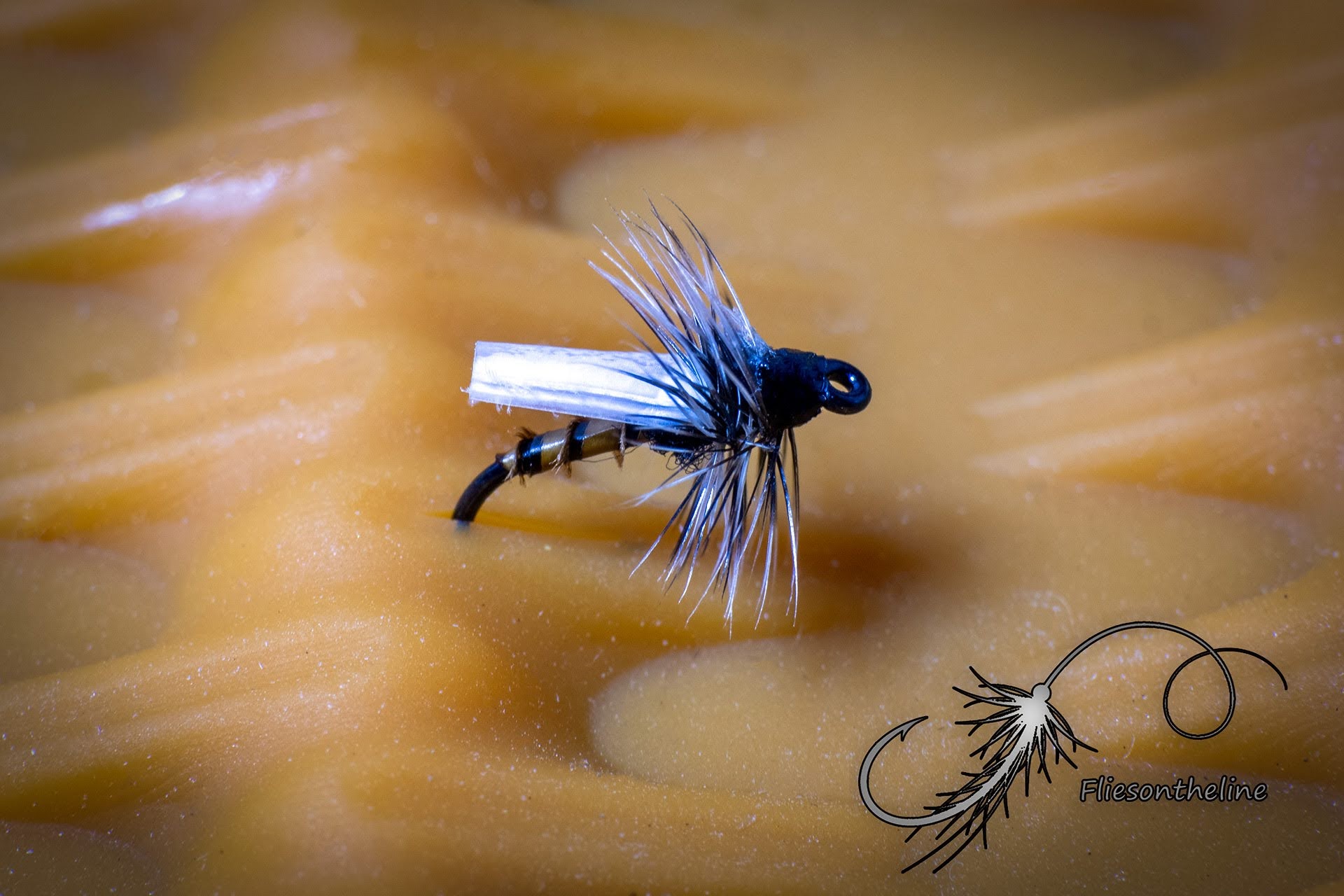
How to Tie a Biot Midge Fly for Winter Success
The Biot Midge fly is ideal for winter fishing, mimicking small flies effectively. Start with strong thread to create a biot wing and a dubbing ball. Add hackle for buoyancy and secure everything to the hook. Tie in various colors and sizes, especially small black ones when Tricos are present.
-
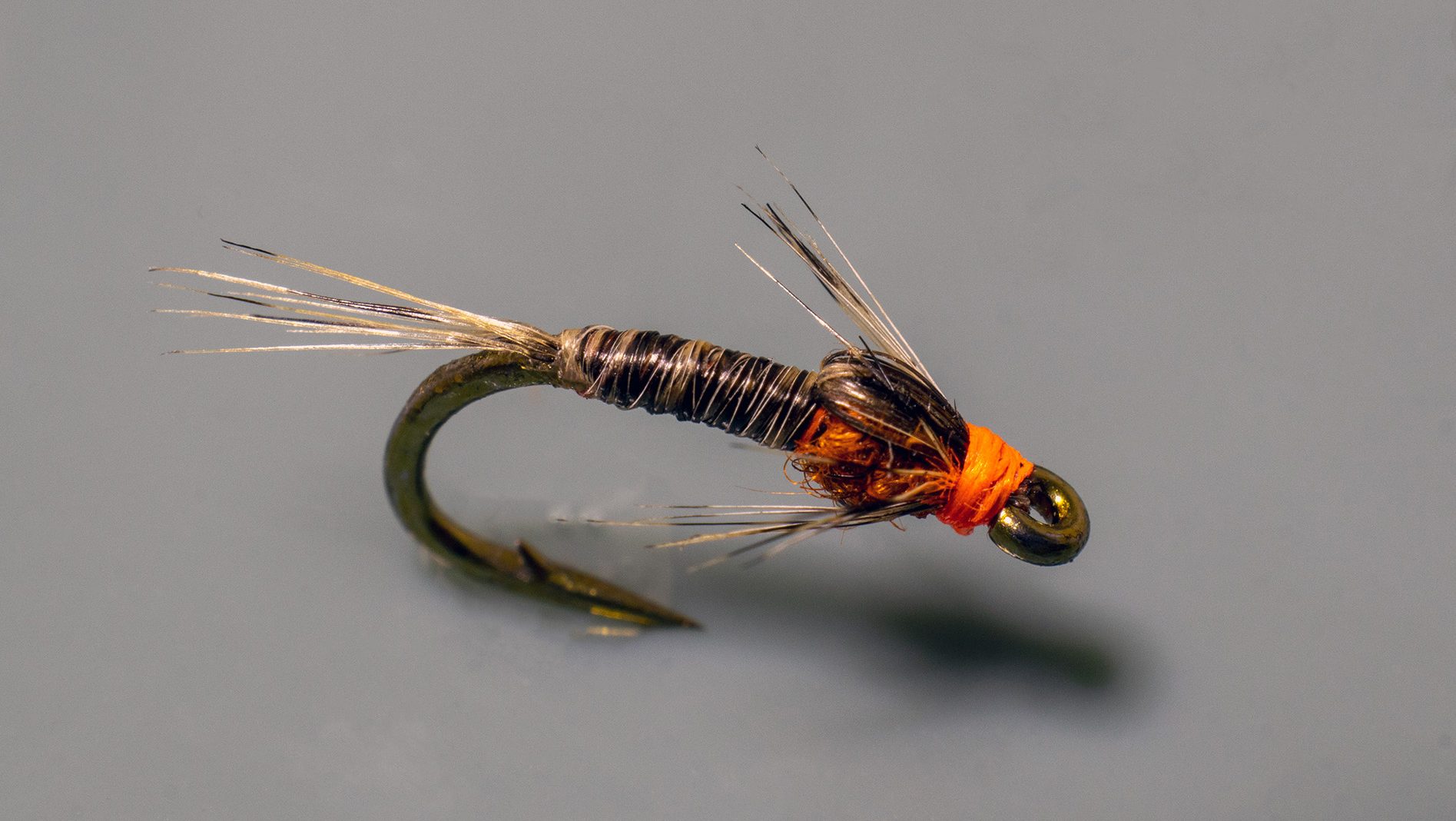
The FL. CDL Nymph Pattern – A Colorado Water Fly Fishing all Around Effective Nymph!
The FL. CDL Nymph fly, a personal creation, has evolved into a versatile pattern for Colorado waters. It features a lightweight, lifelike design using fluorescent threads for a translucent effect. The tying process includes detailed steps for constructing the tail, thorax, and legs with Coq De Leon fibers, ensuring realism in presentation.
-

Skully Circus Peanut White Recipe and Fly Tying Instructions
The Skully Circus Peanut, developed by Russ Madden, is a modified version of the original Circus Peanut fly. The construction involves creating a tandem fly with a rear hook featuring marabou, Krystal Flash, and Ice Chenille, topped with a fish skull for articulation. Detailed step-by-step instructions guide the process.
-

Colorado Fly Fishing: Foam Wing Midge Emerger Purple Variation
Fly tying and step by step instructions for the Foam Wing Midge Emerger in purple with step by step images. Also known as the Chocolate Thunder.
-

Effective Elk Hair Caddis Recipe and Tying Instructions
The Elk Hair Caddis is a preferred summertime fly for anglers due to its proven success. The guide outlines a step-by-step tying method, detailing materials like Tiemco hooks, tan thread, and elk hair. It emphasizes consistency in measurements and includes notes on securing the hackle and hair to enhance durability.
-
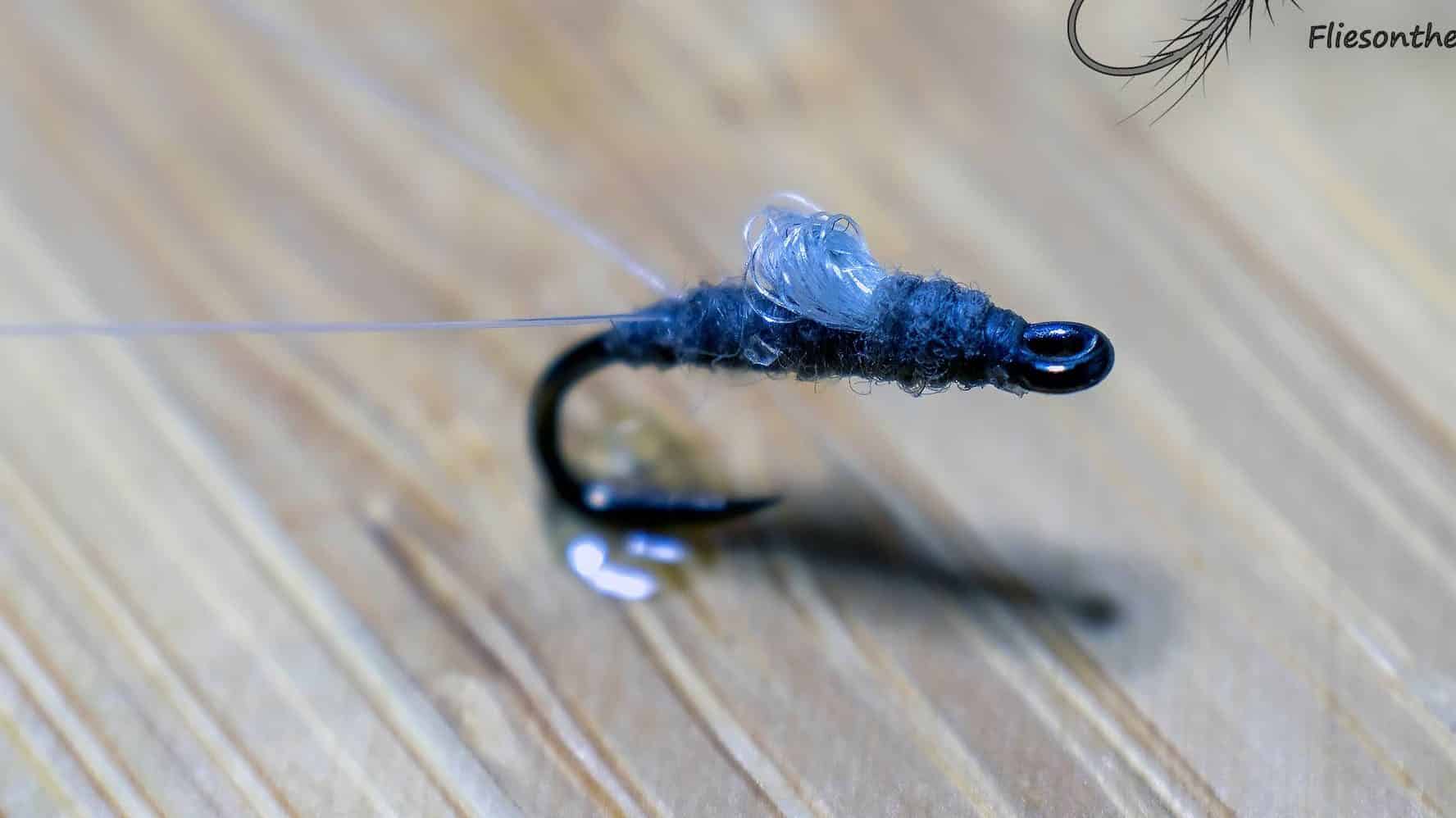
Complete Guide to Tying RS2 Grey Sparkle Wing Fly
The RS2 fly pattern, created by Rim Chung, excels in simplicity and versatility, mimicking various Mayflies and Midges. Modern versions incorporate synthetic materials like Sparkle Braid and Fluoro Fiber, replacing traditional hackle fibers. Detailed instructions outline the tying process, emphasizing tail length and dubbing techniques for optimal effectiveness in fishing.
-

Euro Style Fly Fishing: Converting Classic Patterns to Weighted Jig Versions – Rainbow Warrior
The Rainbow Warrior, created by Lance Egan, exemplifies an effective transition to euro-style fly fishing through weighted jig adaptations. This method enhances classic patterns while minimizing snags, particularly with the original design featuring red thread and a curved shank. The detailed tying instructions demonstrate the construction of a purple variation.
-
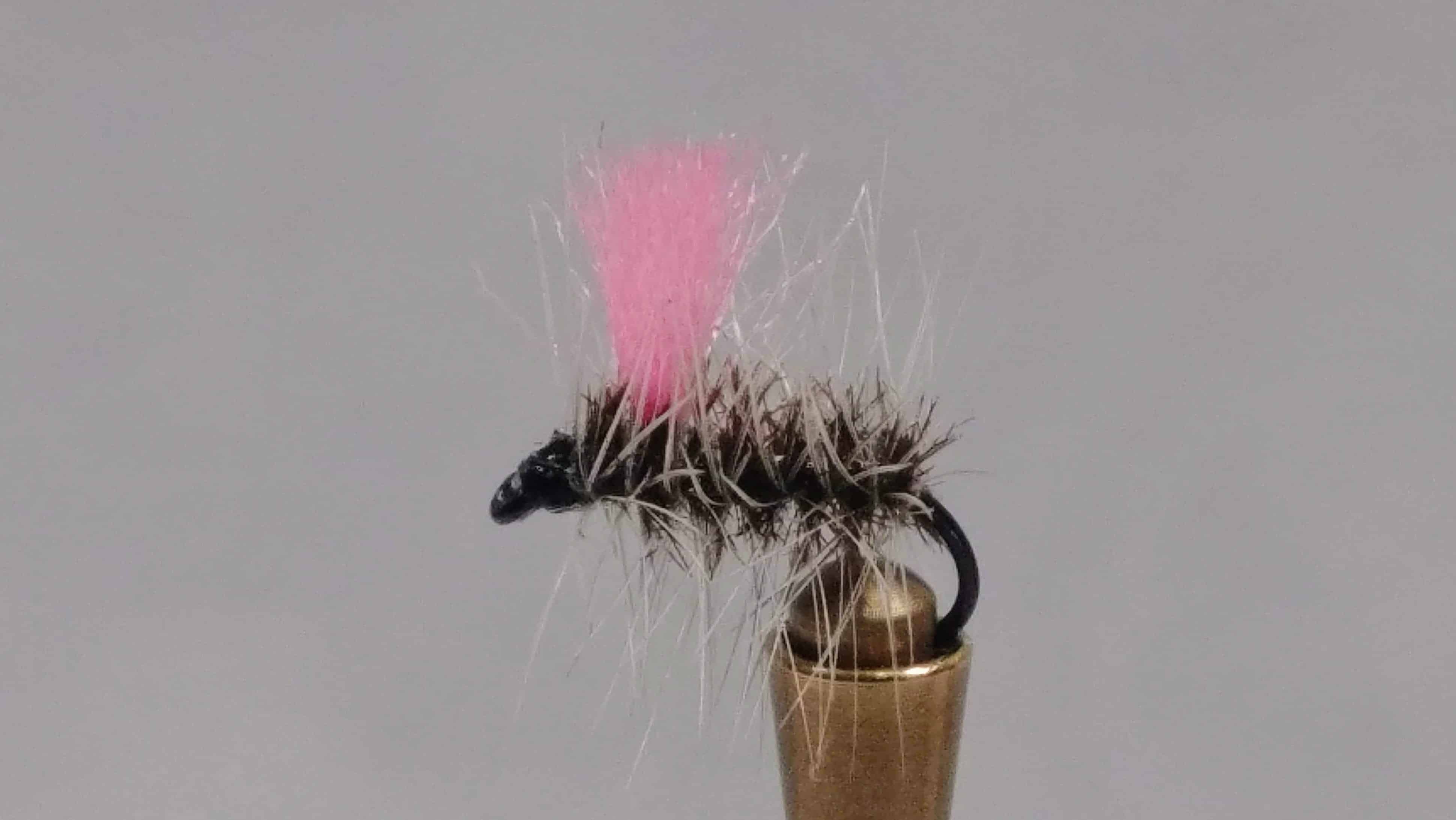
How to Tie a Hi-Vis Griffith’s Gnat for Fly Fishing
The Hi-Vis Griffith’s Gnat is a favored dry fly for midge fishing, designed for better visibility with a contrasting white parachute post. The summary of its creation involves detailed steps, including securing the hook, creating a yarn post, tying in grizzly hackle and peacock herl, and finishing the fly for effective fishing.
-
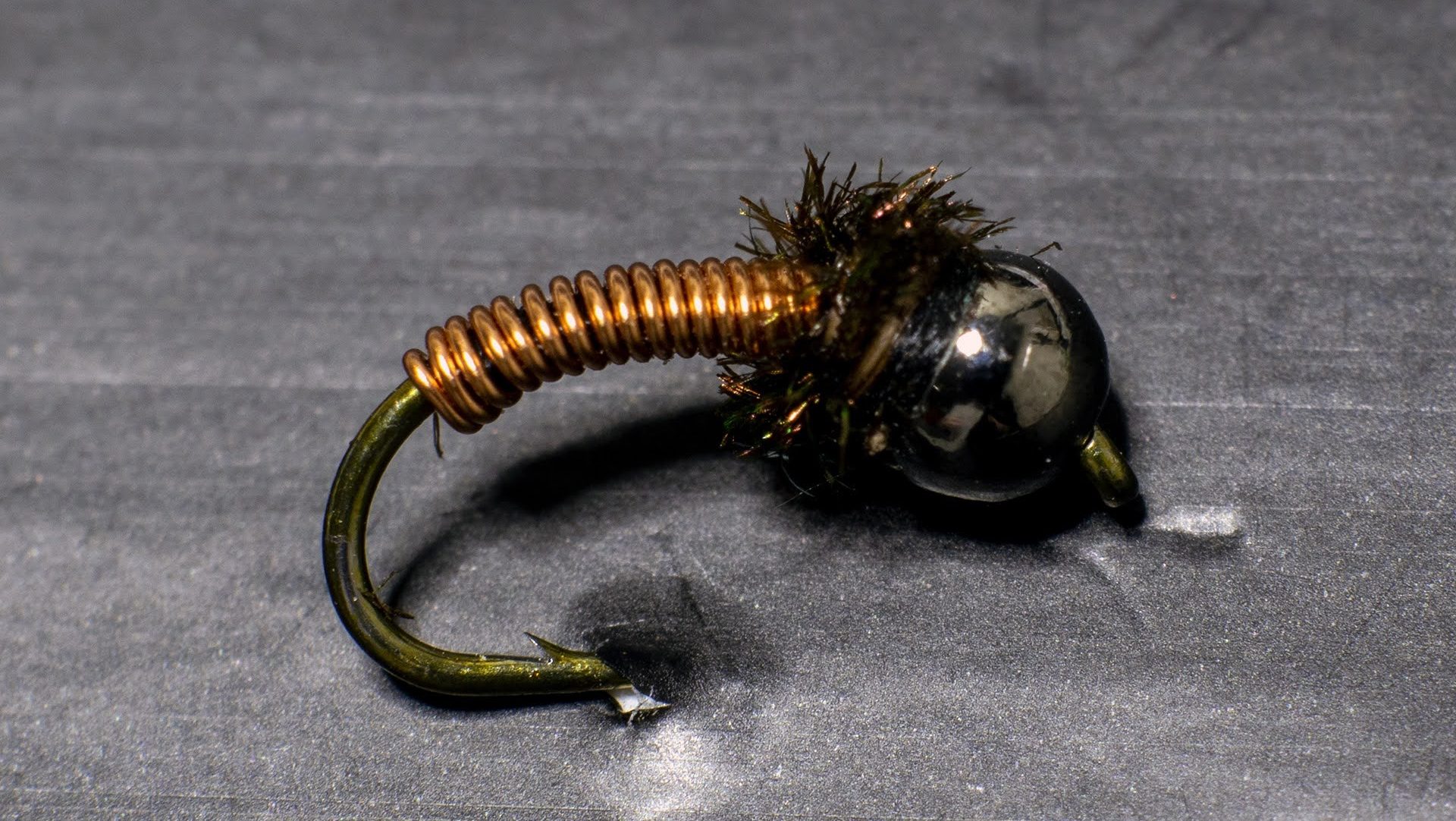
Step-by-Step Copper Bead Head Brassie Fly Instructions
The Brassie fly pattern is a favored choice for its quick tying and versatility in color, imitating various larvae. Adding a tungsten bead aids in quickly reaching depth, while incorporating peacock herl enhances its appeal. A step-by-step guide details materials and techniques to create a Copper Beadhead Brassie fly.
-
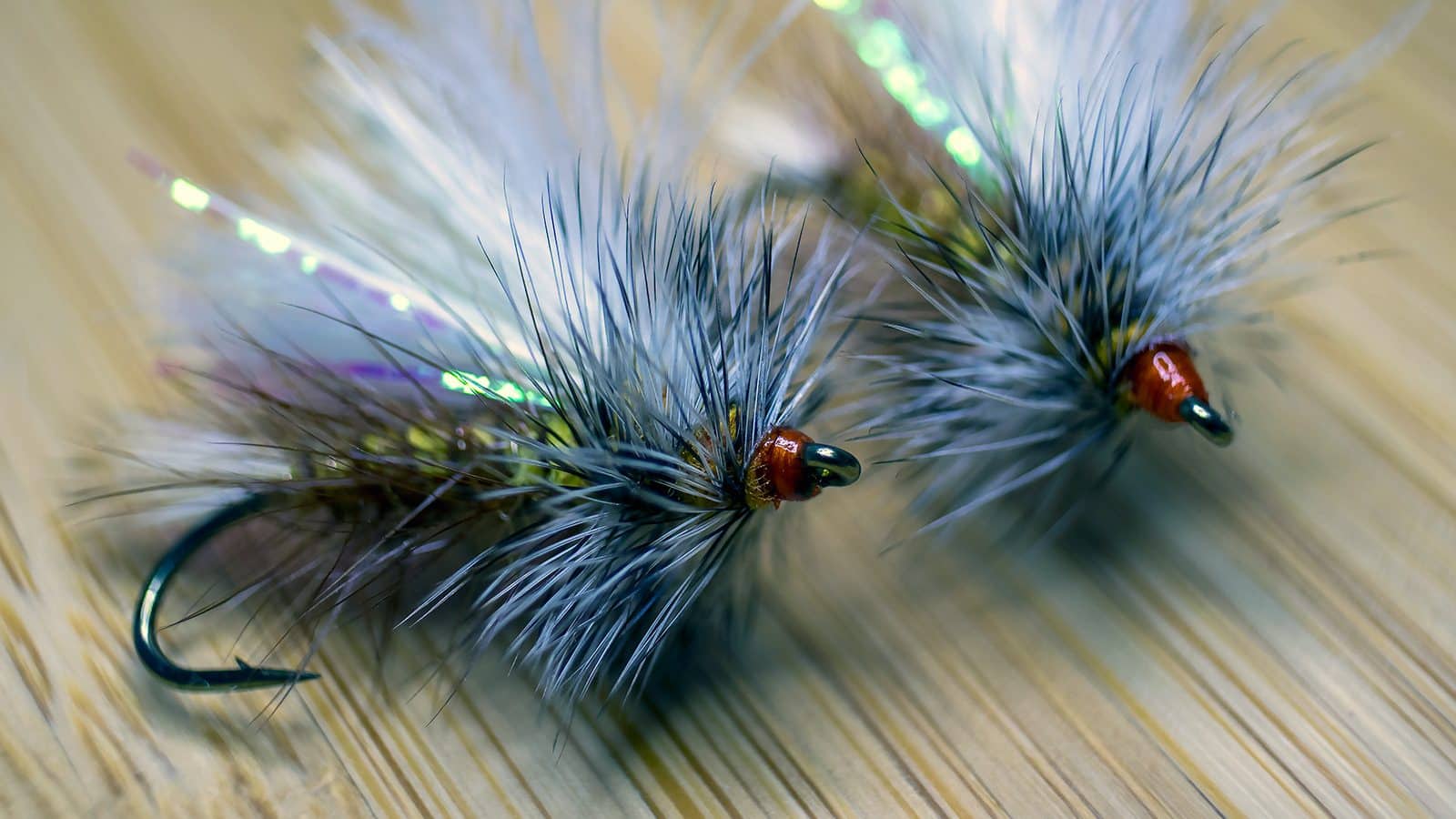
Classic Stimulator Fly Pattern Guide and Tutorial
The content discusses creating the Stimulator fly, popular among anglers for its effectiveness. It details a classic version and encourages creativity in tying variations using different colors and materials. A step-by-step guide for constructing the fly on a Firehole hook is provided, emphasizing components like elk hair, dubbing, and hackle.
-

Step By Step Tutorial for Jigged Hare’s Ear Nymph
The Hare’s Ear fly pattern is essential for every angler’s collection, known for its effectiveness and numerous variations. The jigged tungsten version eliminates the need for split shot while ensuring it rides correctly to prevent snags. A detailed tying recipe is provided, emphasizing materials like hare’s ear dubbing and pheasant tail fibers.