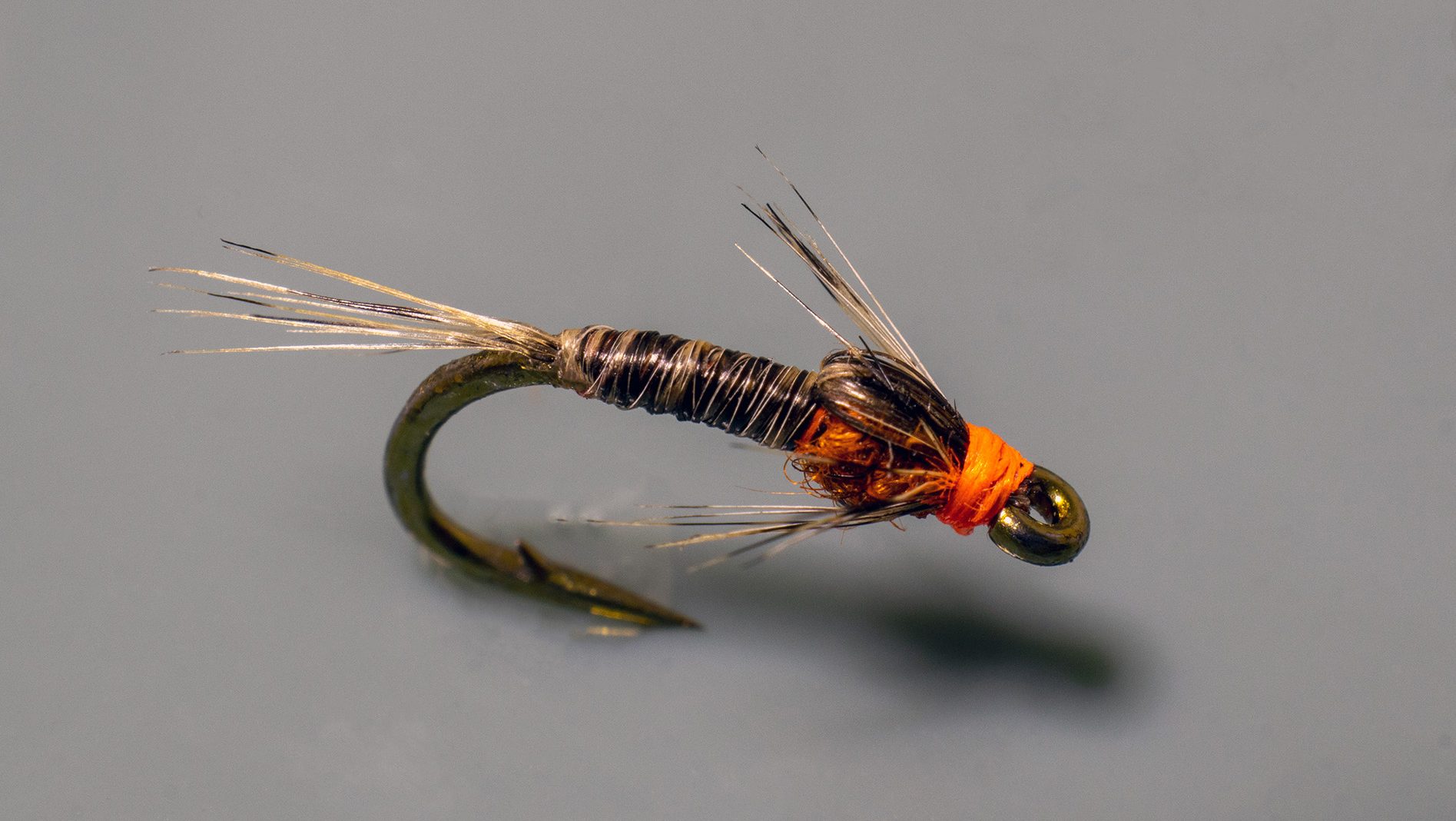
This is one of the few patterns I call and claim as my own. It is also the first to be posted to this blog. The FL. CDL Nymph fly has been evolving for the last few years secretly in my mayfly nymph box. The version I tie now is a solid option year-round on all the Colorado water I fish on the regular.
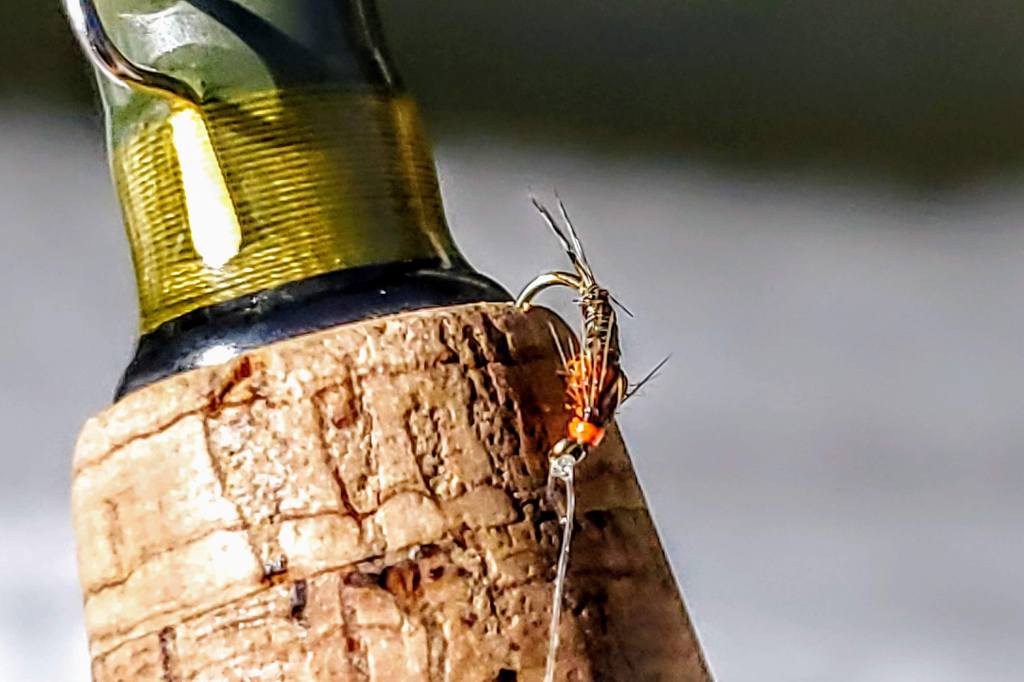

It is a lightweight natural imitation that really “shines”. The Florescent thread under the CDL body creates a very lifelike translucent blaze. I vary this pattern using the Veevus Fluorescent Threads: Fl. Yellow Chartreuse (A14) Fl. Orange (A15) and Fl. Green (A16). I typically tie this pattern using the Medium Pardo CDL, but will also use Ginger Pardo for a lighter option.

Step-by-Step Instructions:
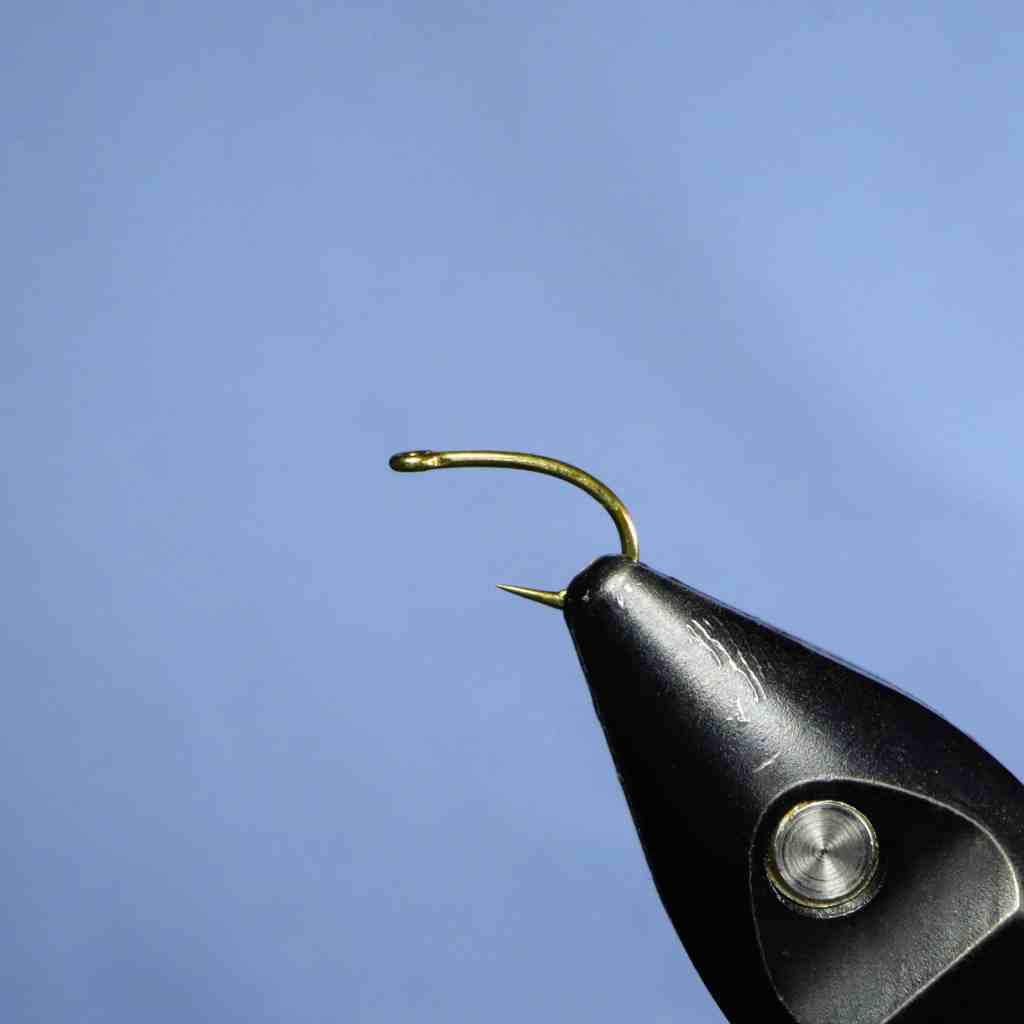


Start your fluorescent thread on the hook shank with locking wraps. This pattern is tied on a scud-style hook. The hook shown here is the Tiemco 2488H. An excellent heavy wire hook. The thread is a Fl. Orange Veevus.
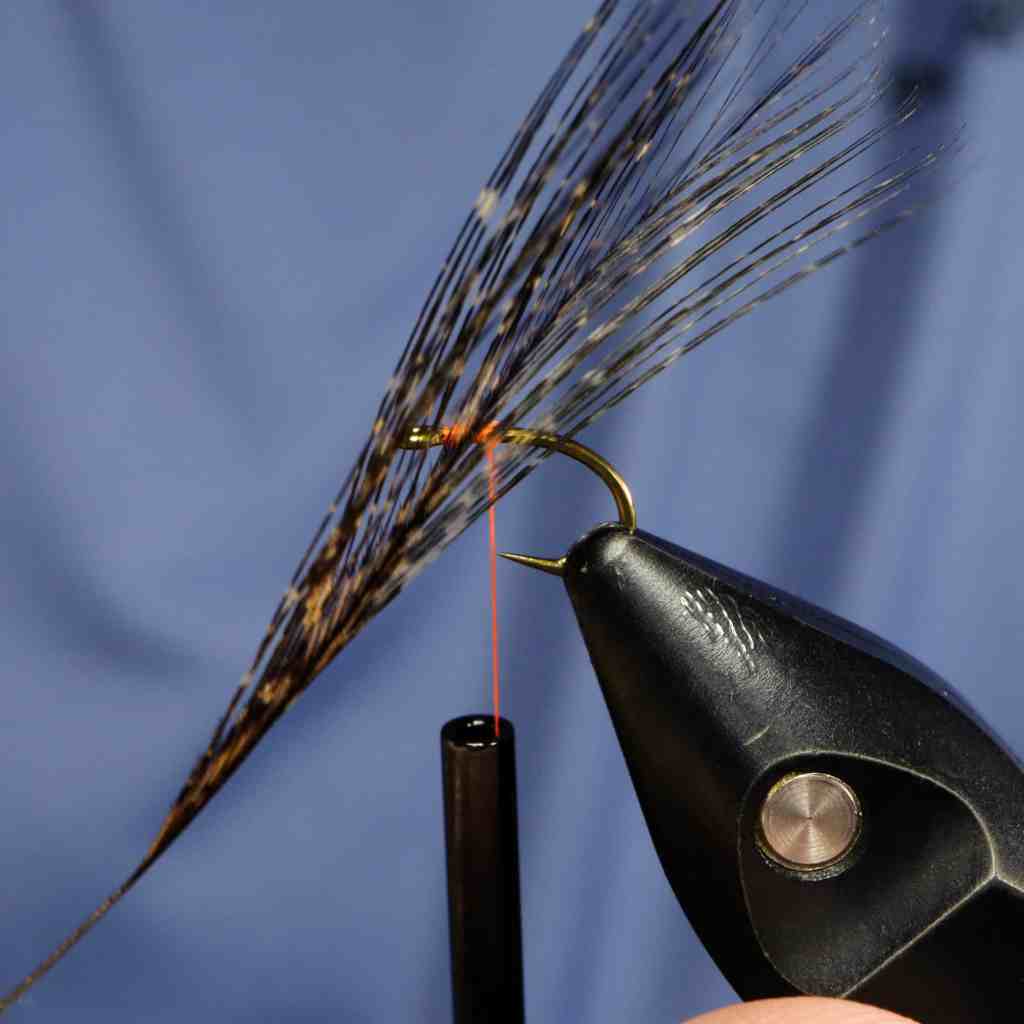
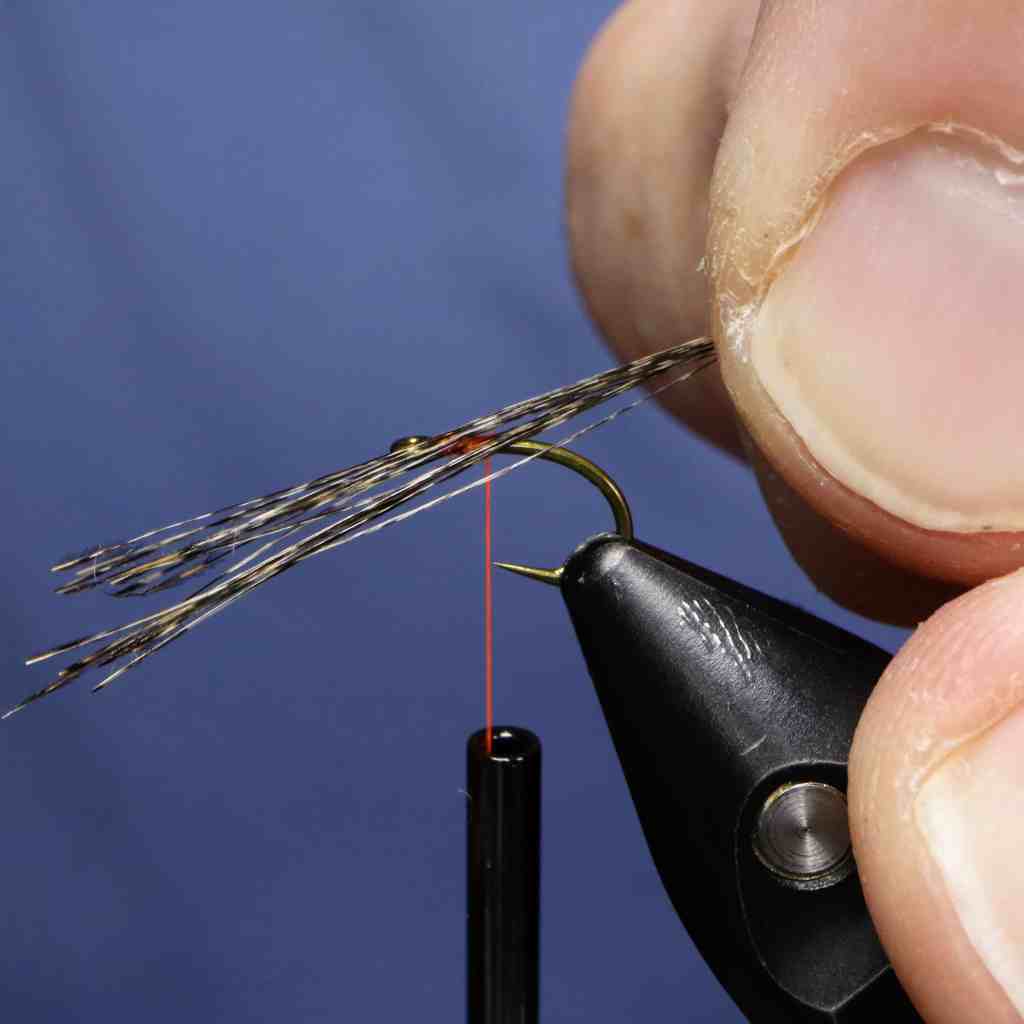
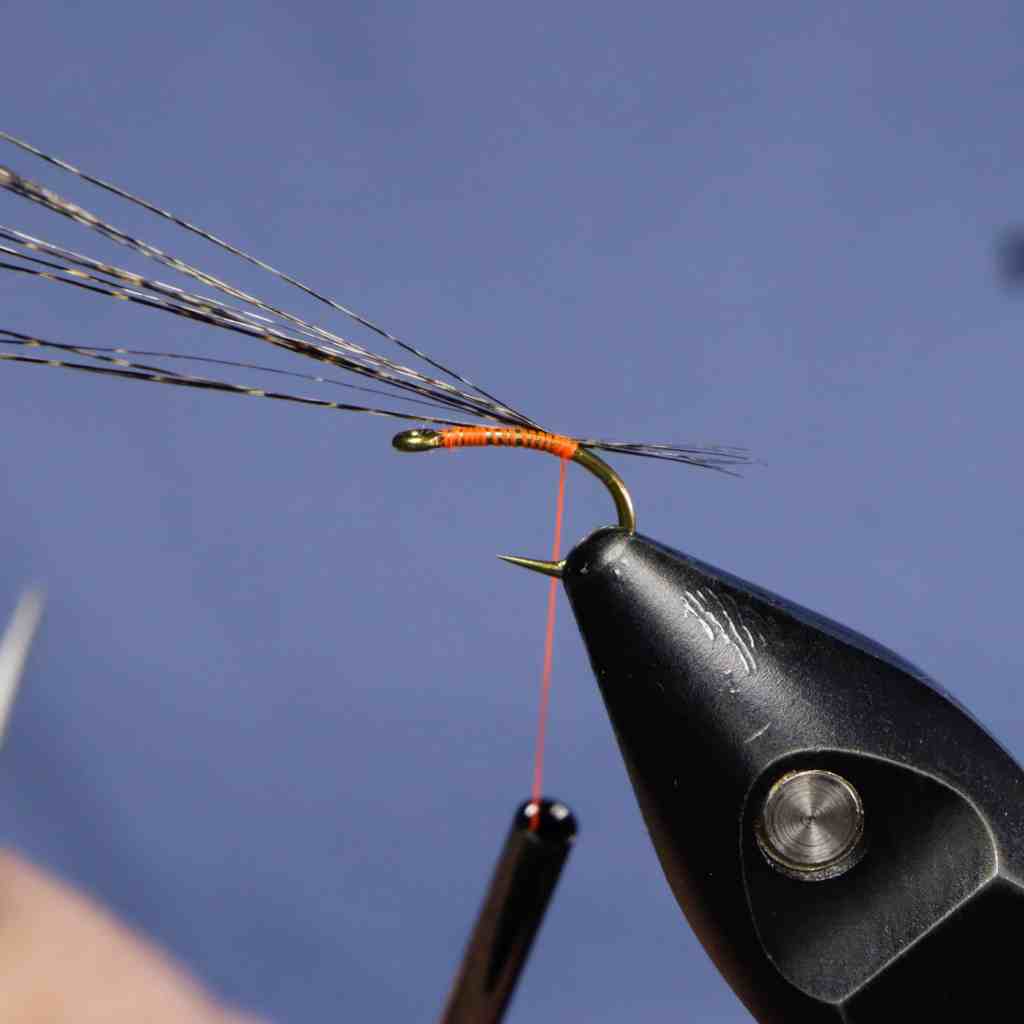
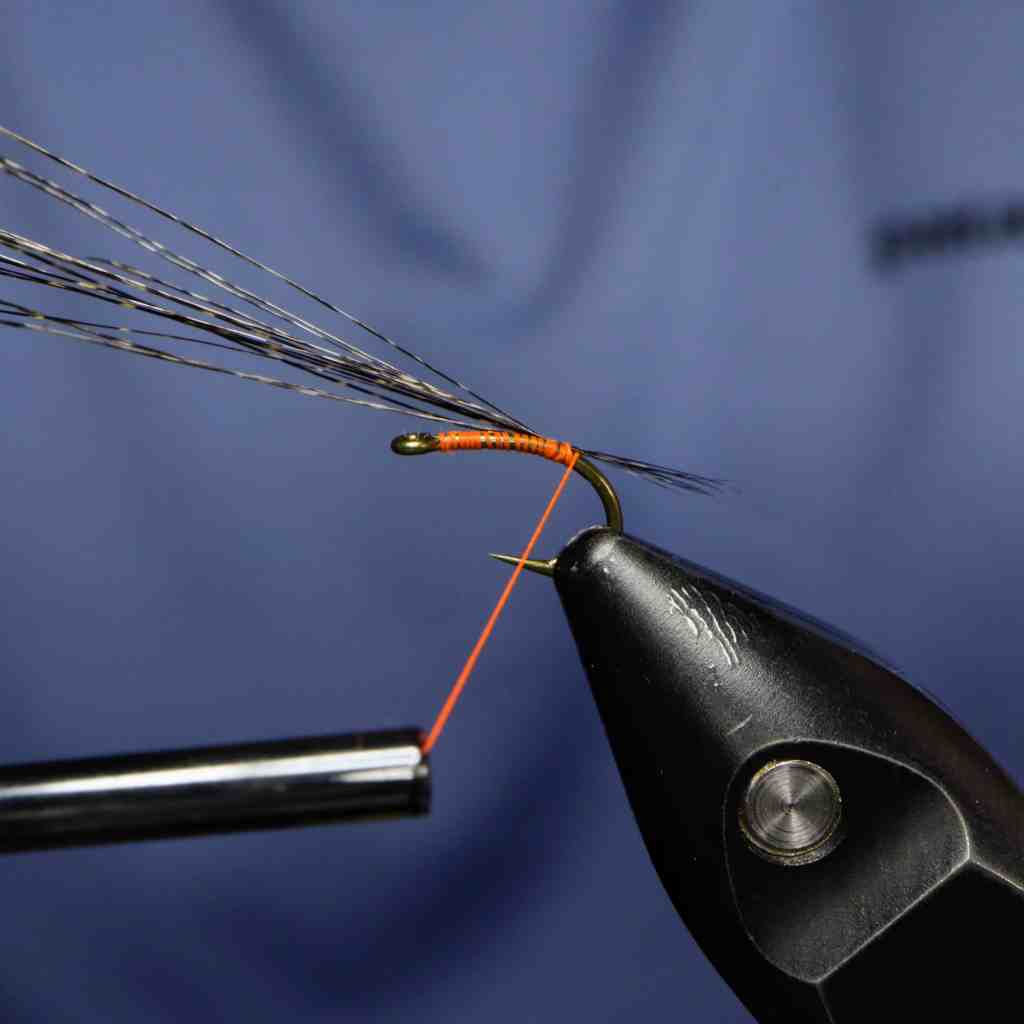
Clip a small bundle (about 7) of Coq De Leon fibers from a feather. Make sure to keep the tips aligned. Stack them if necessary. Measure a tail the length of the hook shank and tie it in place. Sneak one wrap underneath the tail to avoid any slippage when fishing. Do not cut the excess material, as we will use it for the body portion. Leave the thread hanging as far to the rear as possible. This will help with the starting point in the next step.
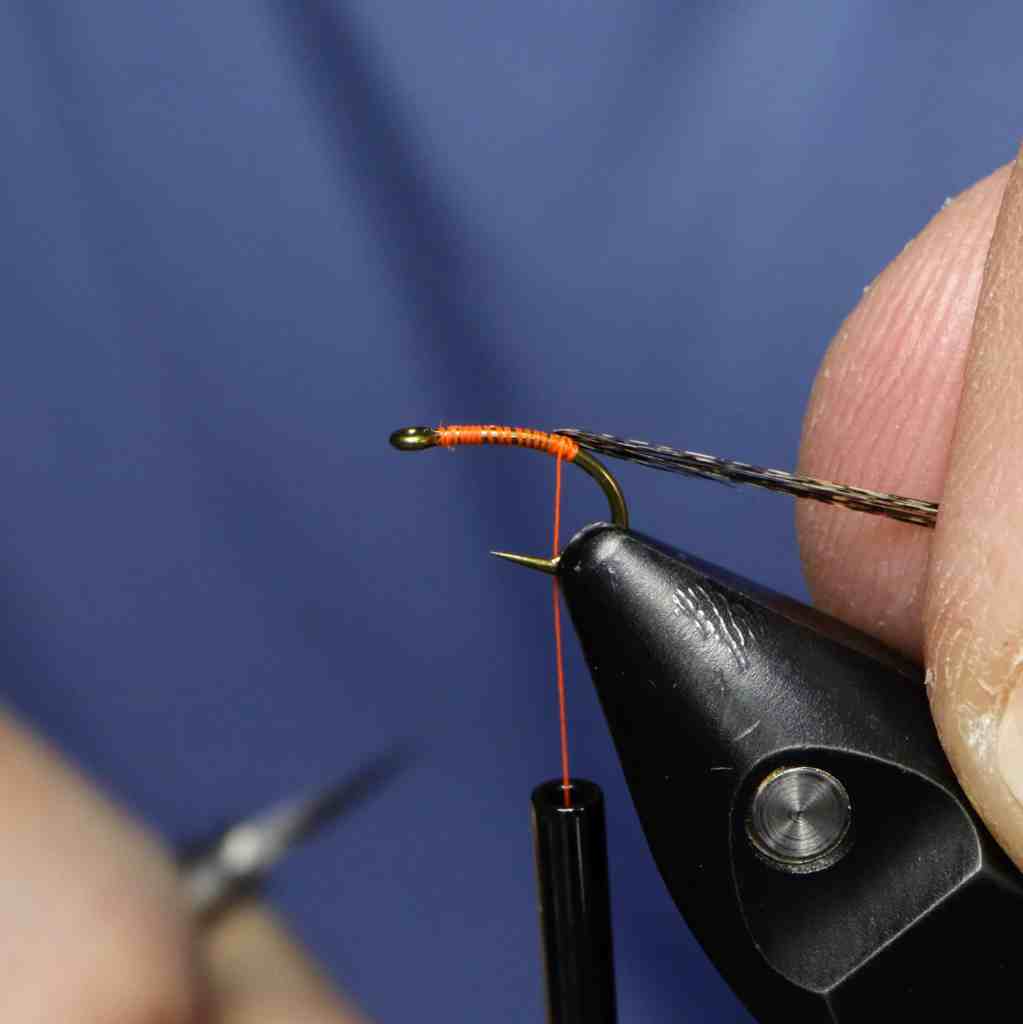
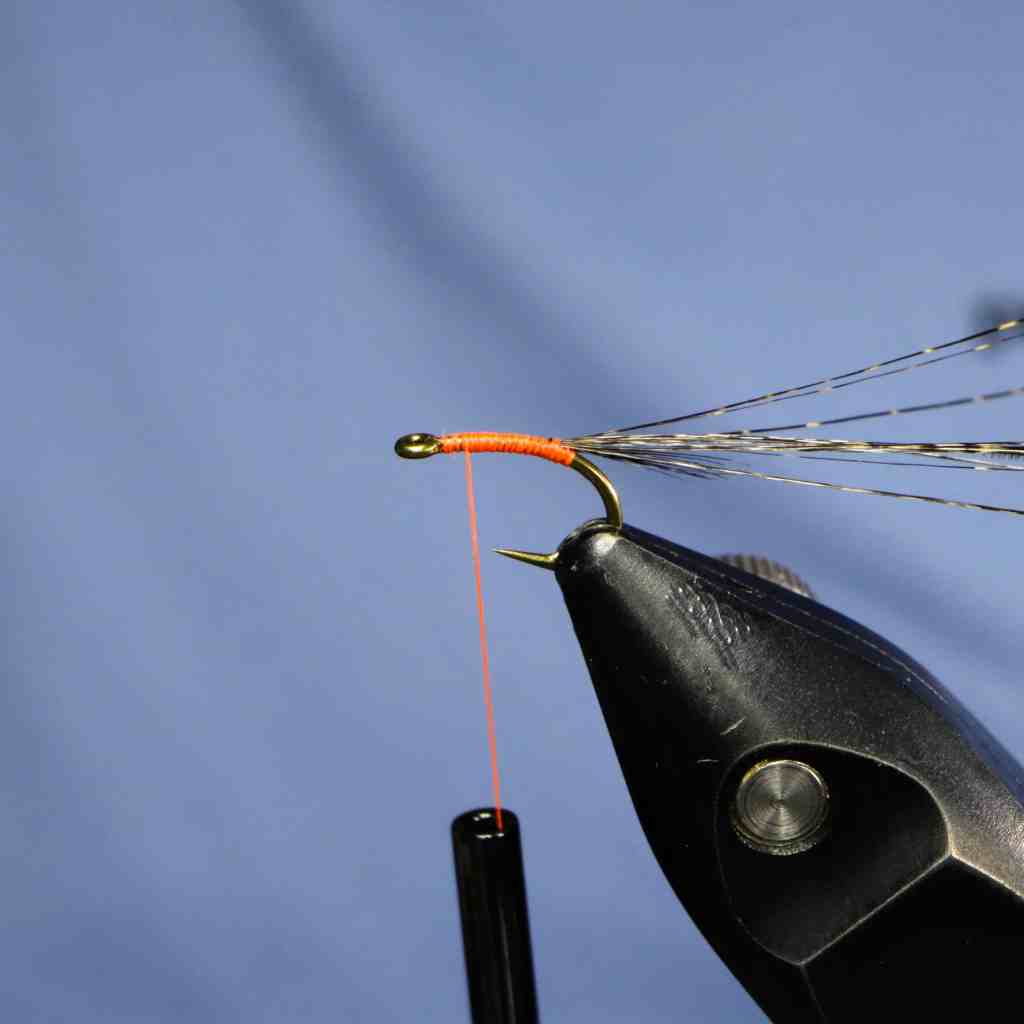
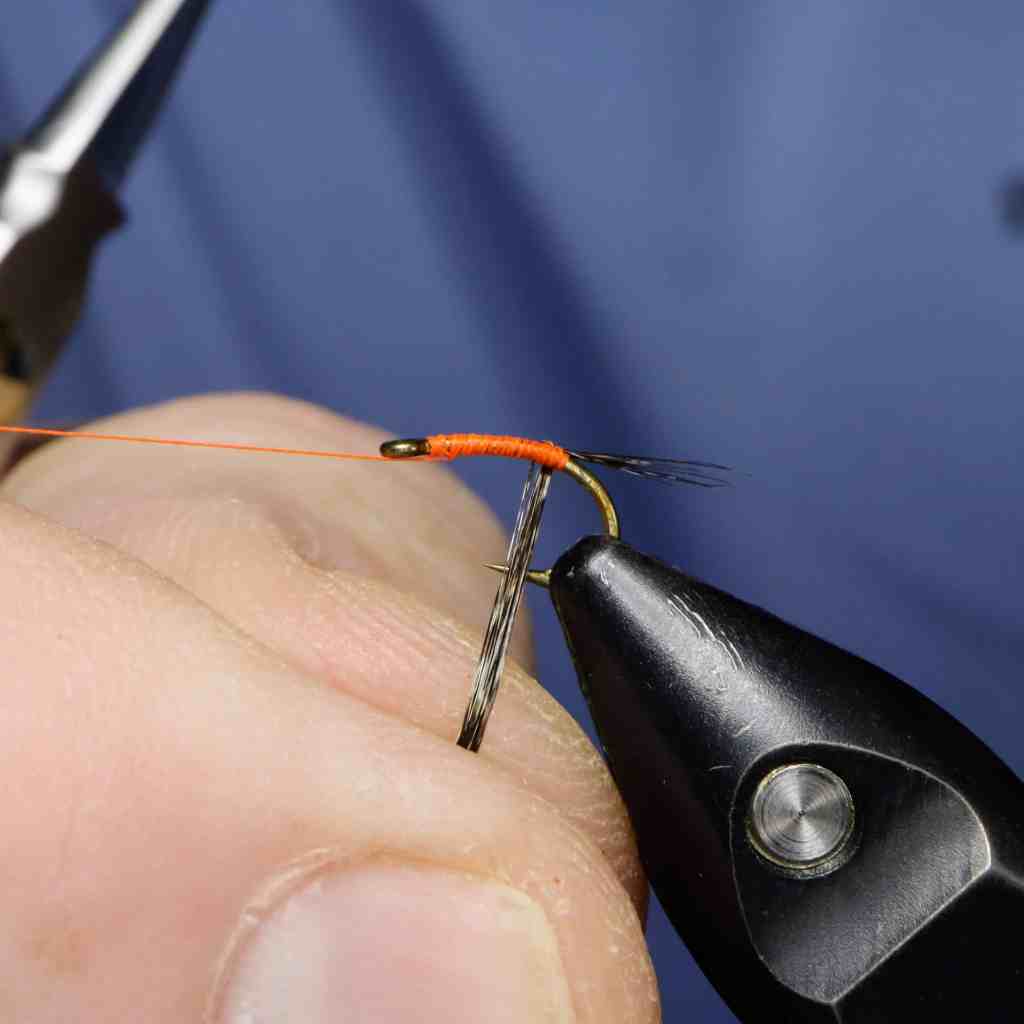
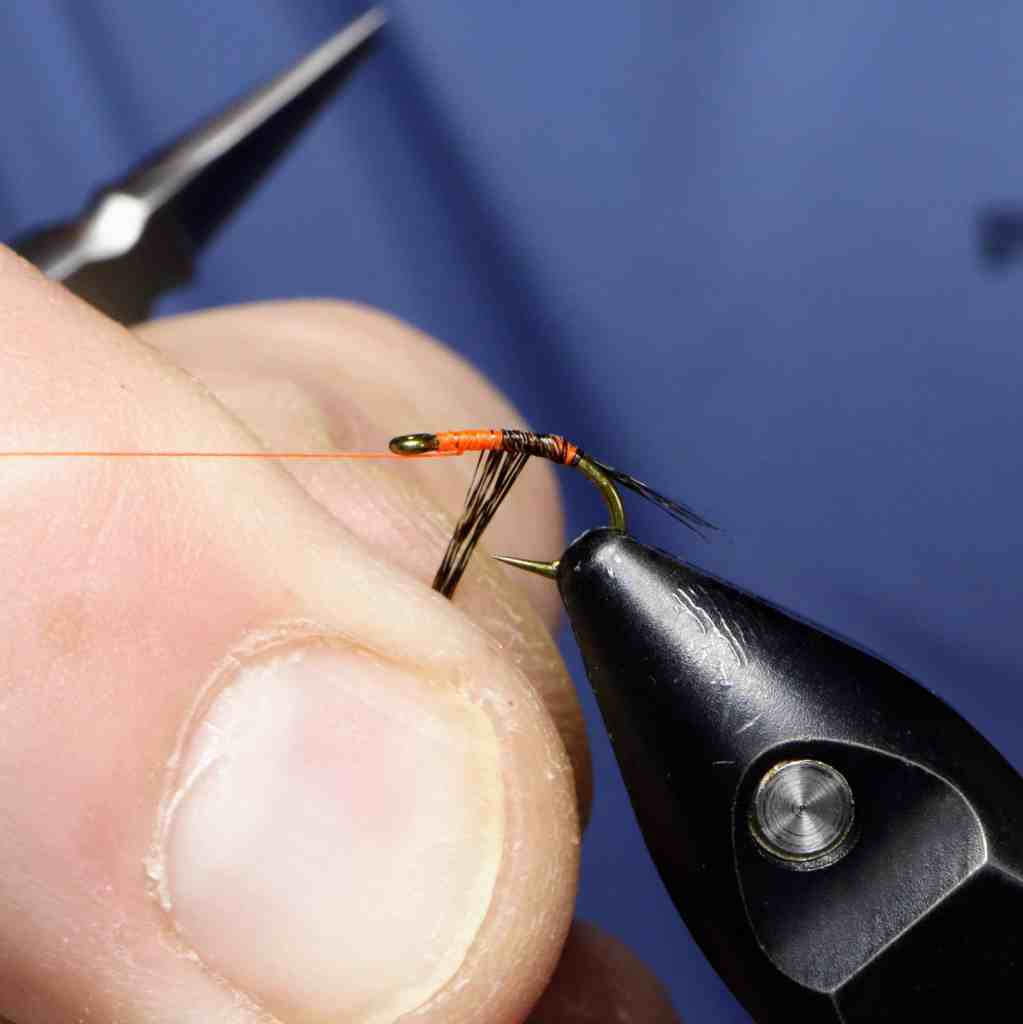
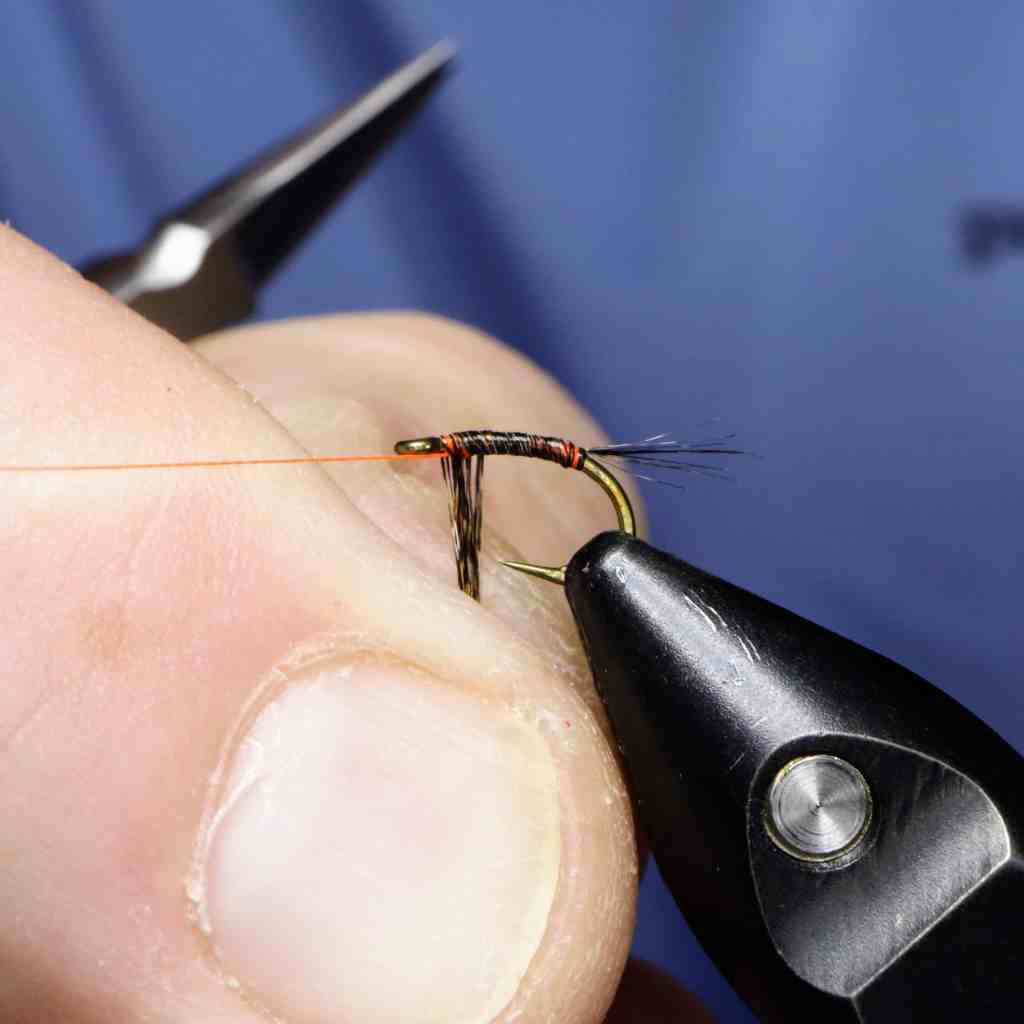

Pull the excess material left after tying in the tail reward. Wrap over the top, securing it back on the hook, and progress your thread toward the eye. Begin wrapping the CDL material forward. Allow the material to lie flat and maintain loosely touching wraps. We want to allow the thread to show through on the finished fly so the FL. thread can still “pop” when activated by UV light.
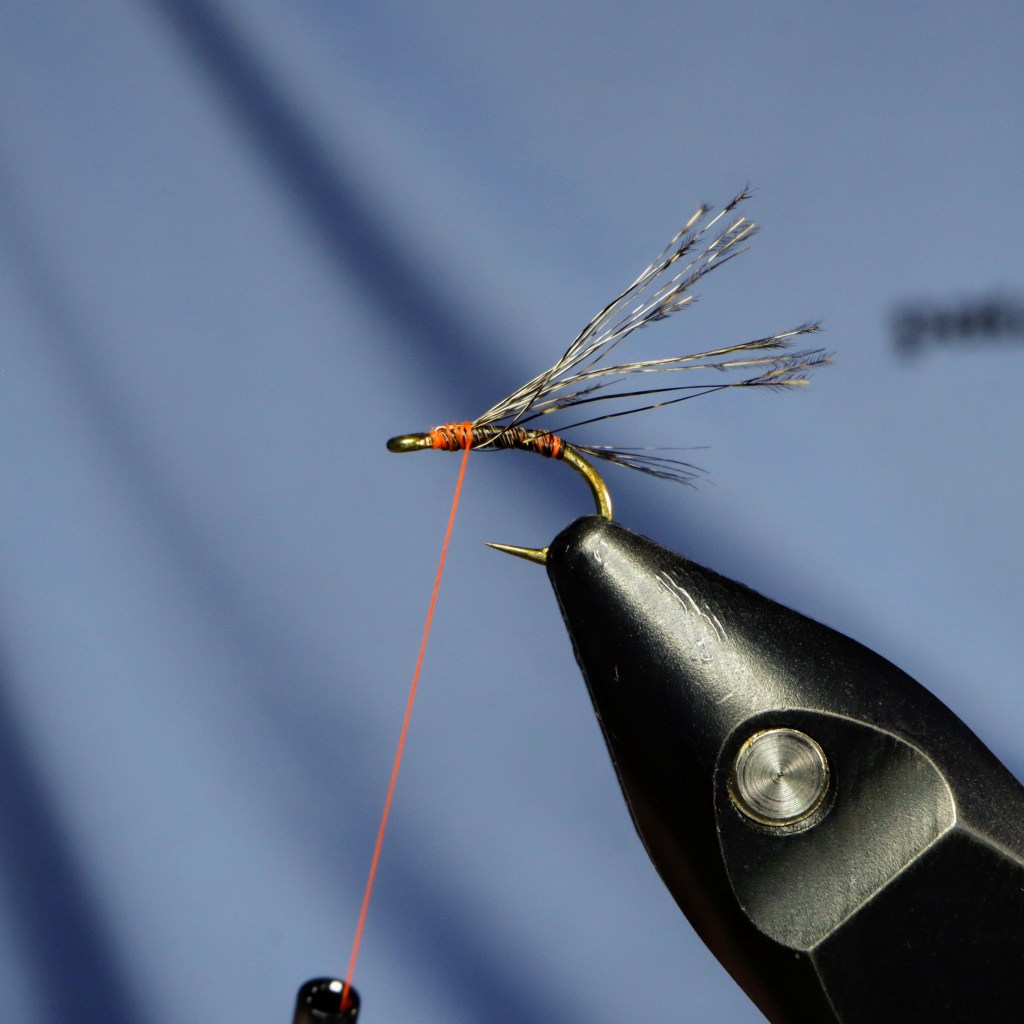
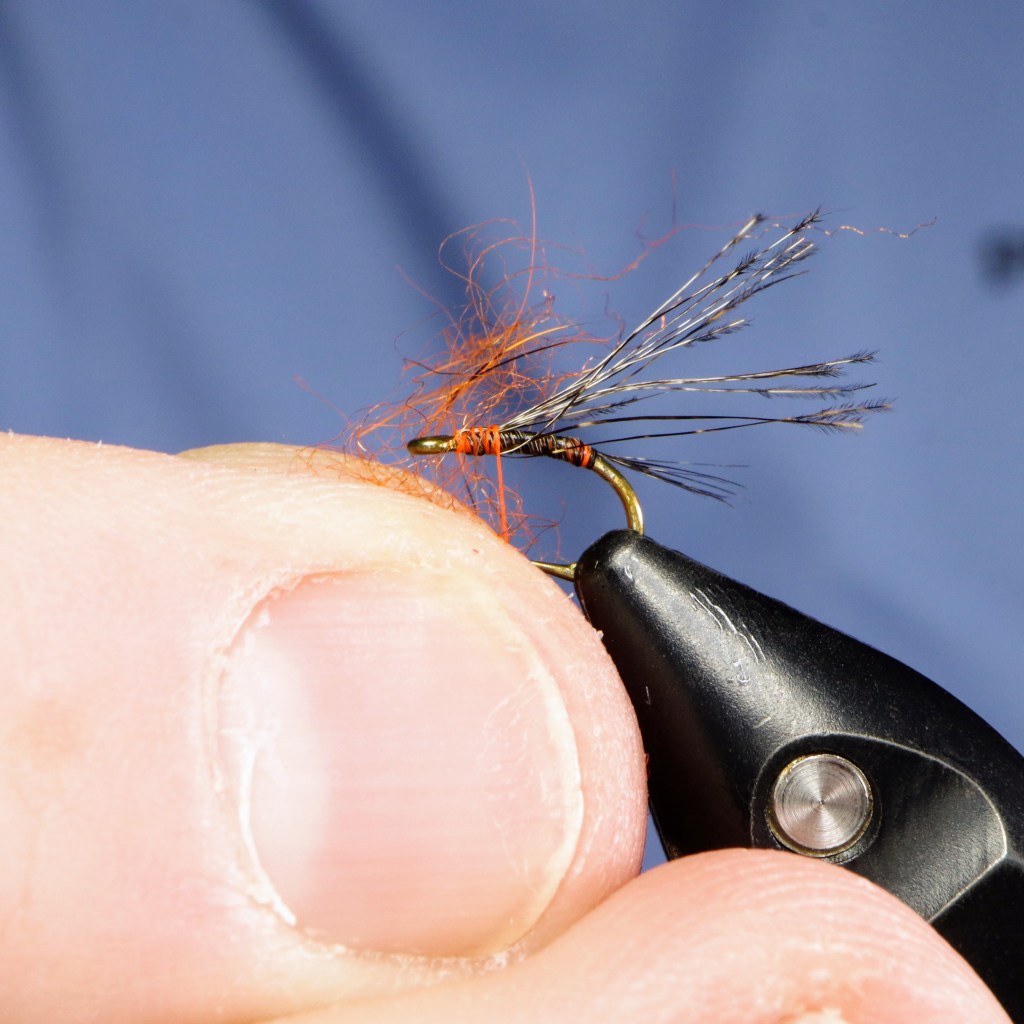
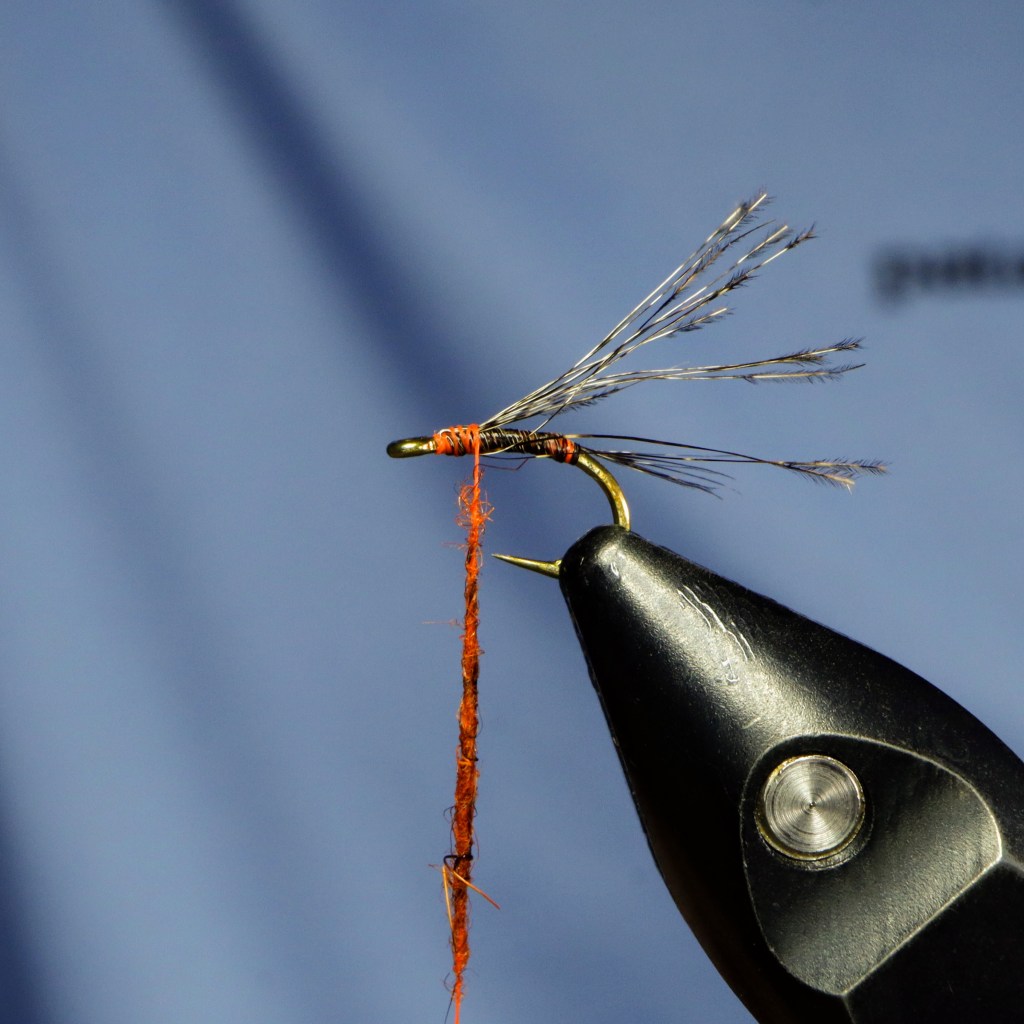
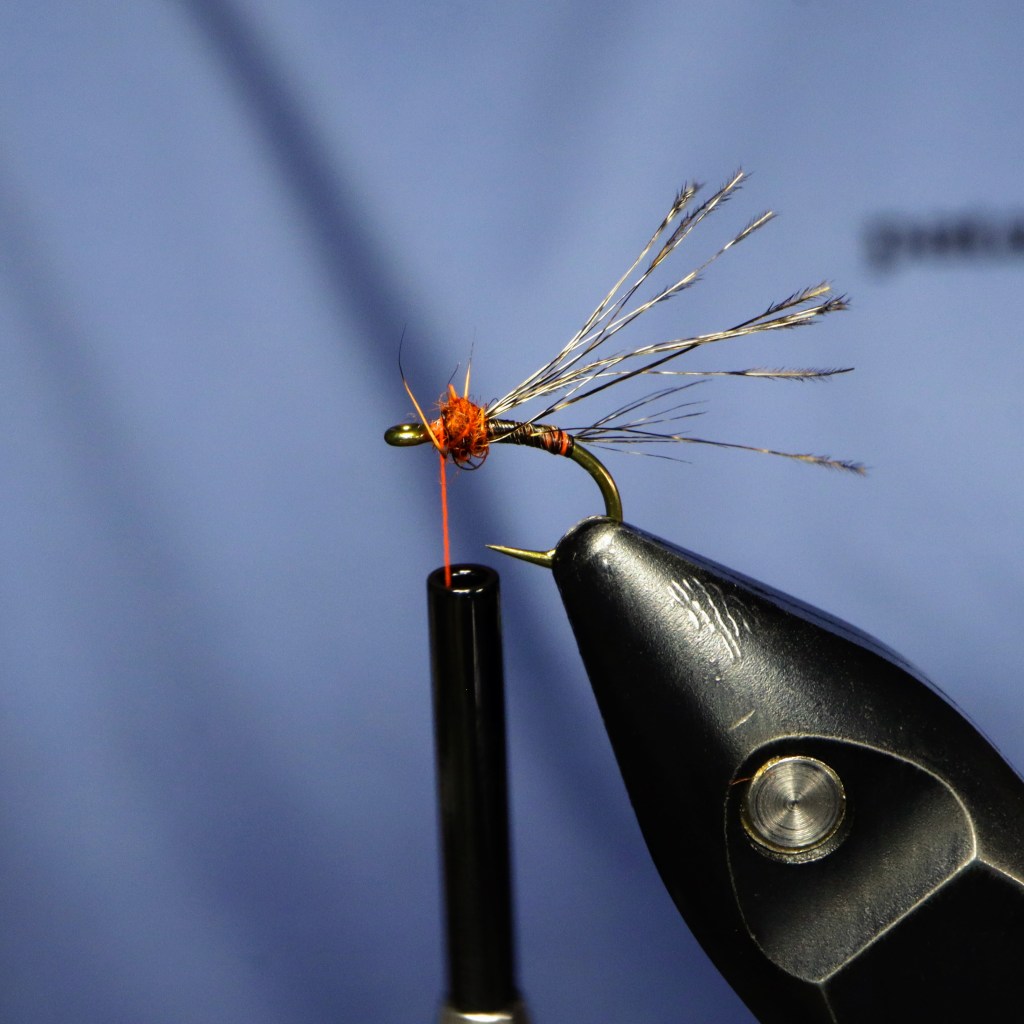

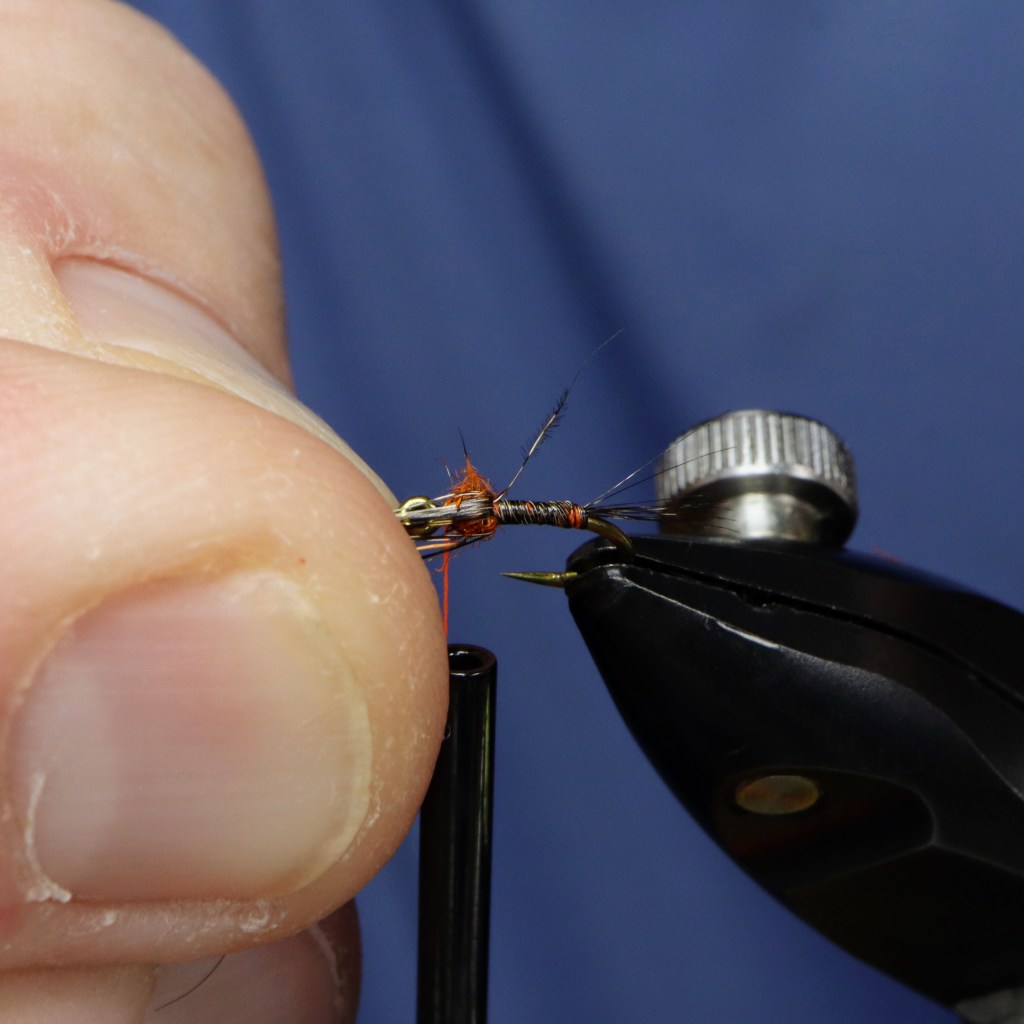
Dub a tight noodle of SLF dubbing and wrap a neat thorax over top of the CDL. Fold the entire bundle of CDL over the dubbed thorax. Use only a couple of wraps on top. Then use two wraps under to lightly secure the CDL bundle behind the hook eye.


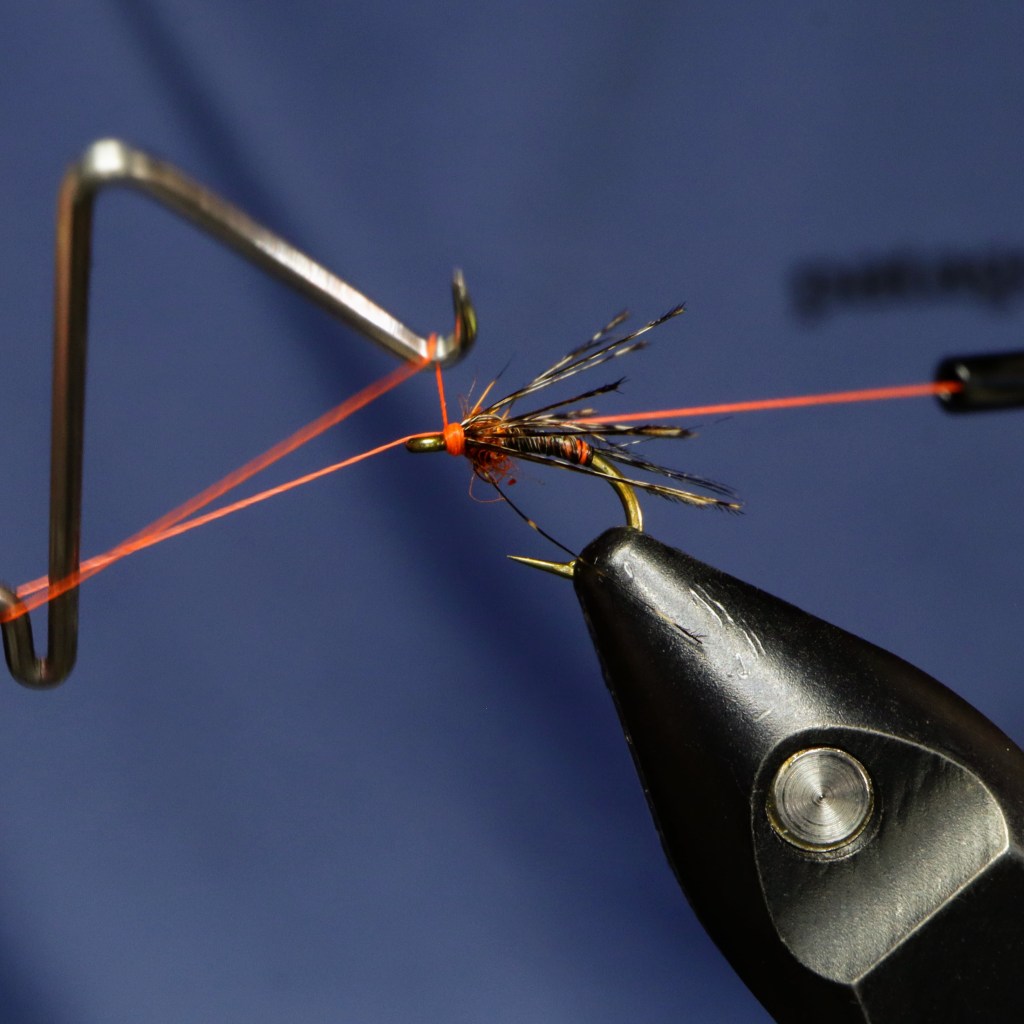

Using the butt ends of the material left over from the thorax backing, split it in half and pull to either side. This material becomes the legs of the bug. When wrapping, manipulate the material to keep it on either side. This can take some finessing. Whip finish and trim the legs to length. I will vary this and sometimes reach a long way past the thorax, while other times clipping them short. These can also be adjusted riverside if left long.
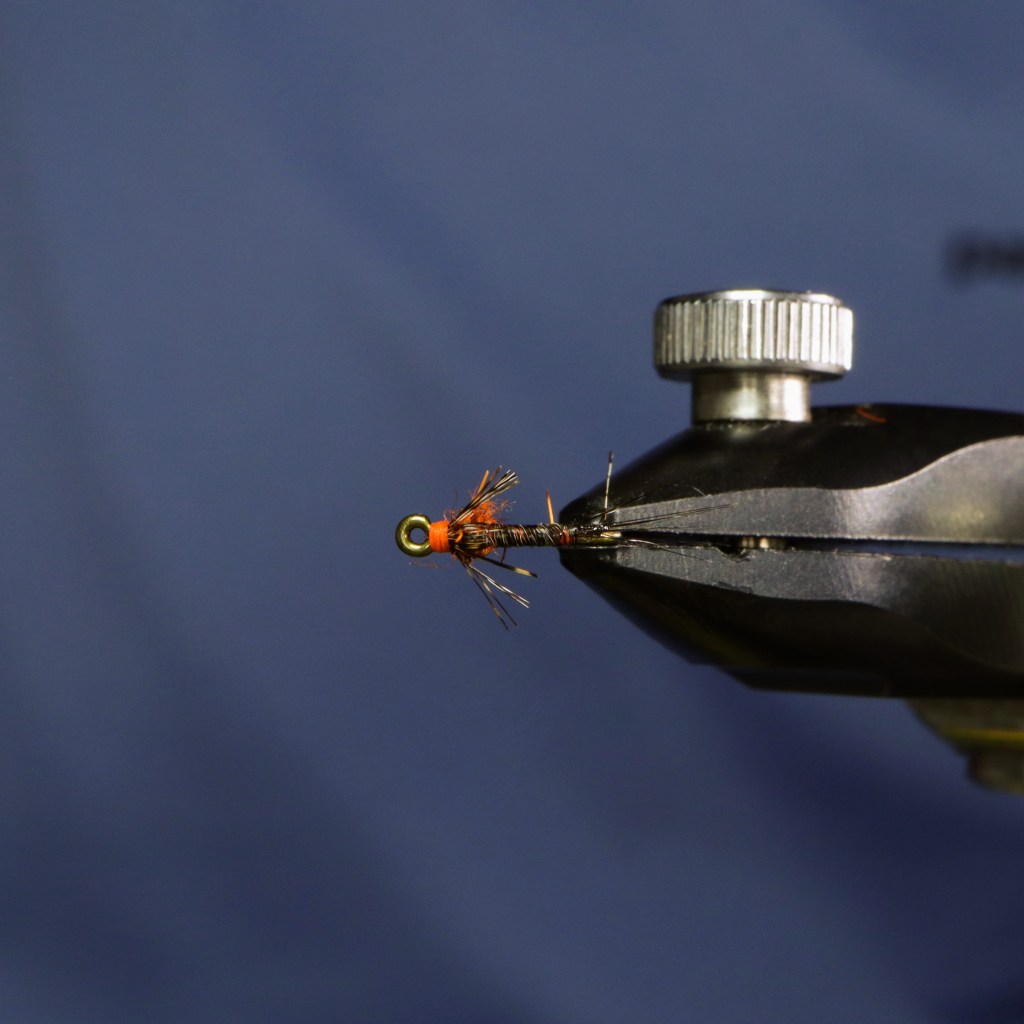


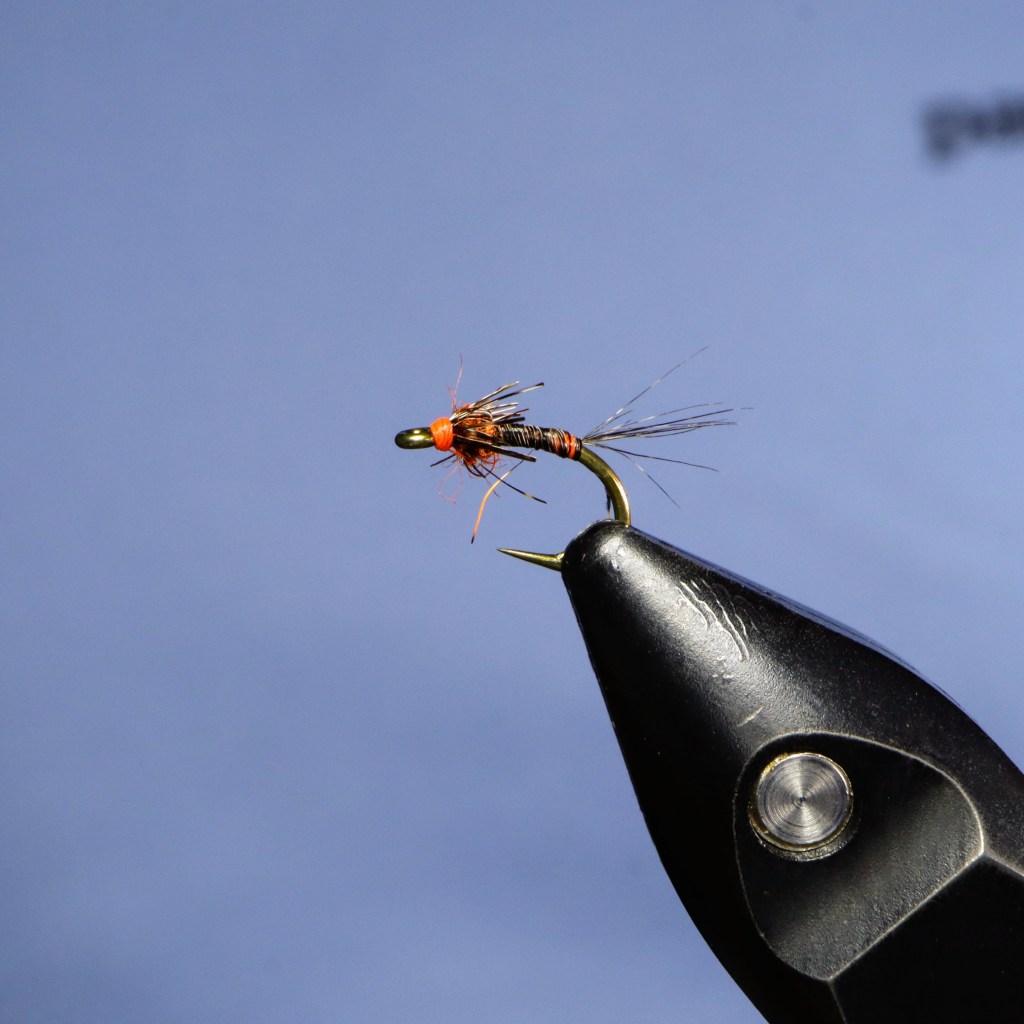
Secure the finished fly with some glue or head cement. I always coat the collar and then recommend adding a small amount beneath the tail. The CDL material is slick and can slide down the hook bend if you skip this step, even with the thread wrap recommended in the tail-tying section above.
Recipe:
- Size Range – 16-20
- Hook – 2488H
- Thread – Veevus FL Orange (Classic Orange), FL Green (BWO), and FL Yellow Chartreuse (PMD)
- Tail – CDL Medium Pardo
- Abdomen – CDL wrapped similar to a Pheasant Tail.
- Thorax – SLF Squirrel Dubbing Rust (Classic Orange), Golden Olive (BWO), Bleached Ginger (PMD). Backed with CDL fibers.Legs – Butt ends of CDL fibers used for backing
Leave a Reply